anglo-german institute
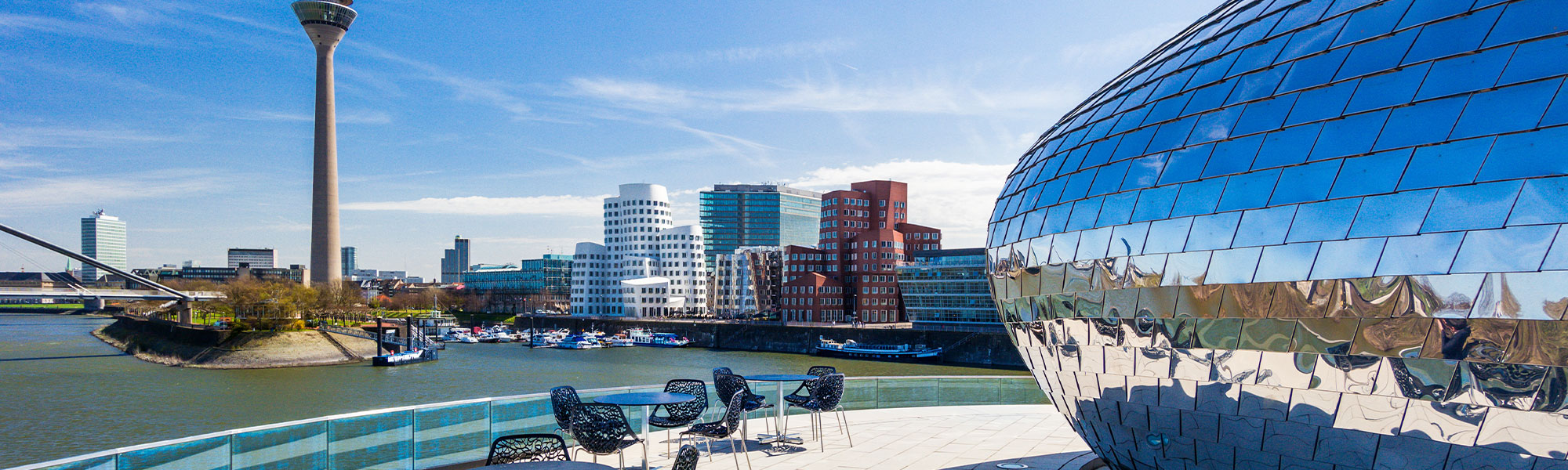
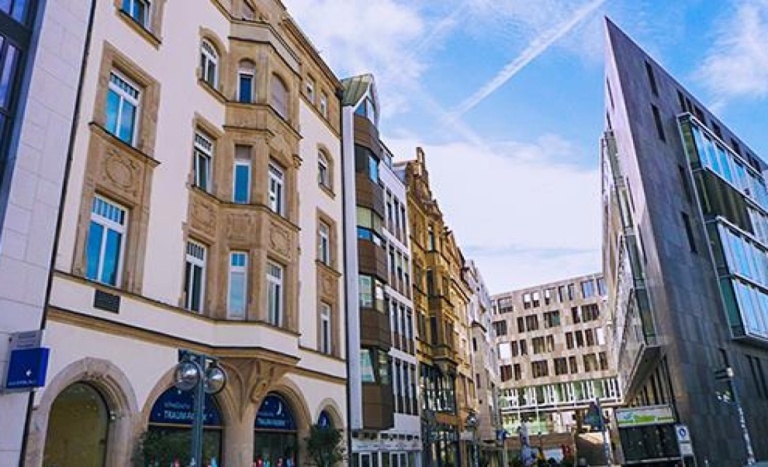
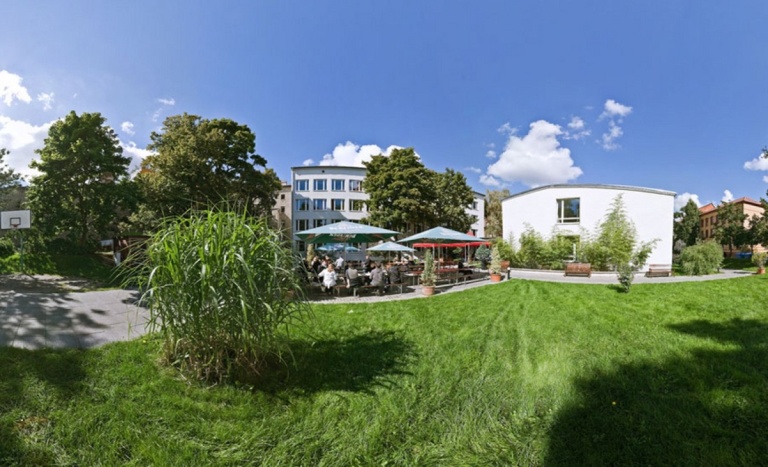
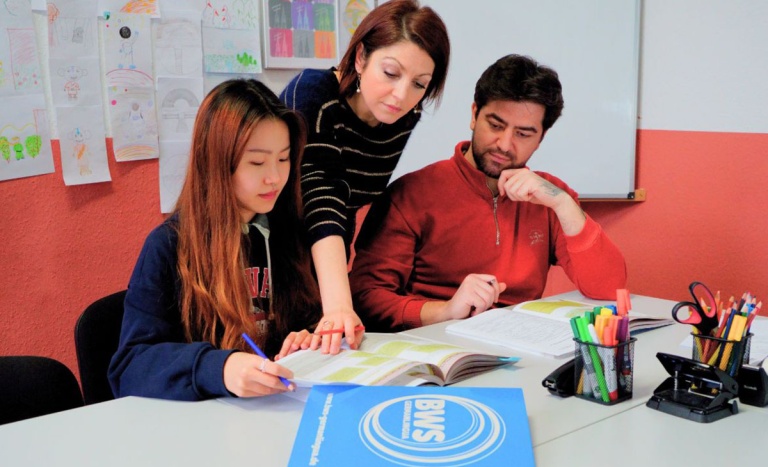
For over 50 years, the Anglo-German Institute (AGI) has welcomed language students from around the world to its central Stuttgart location.
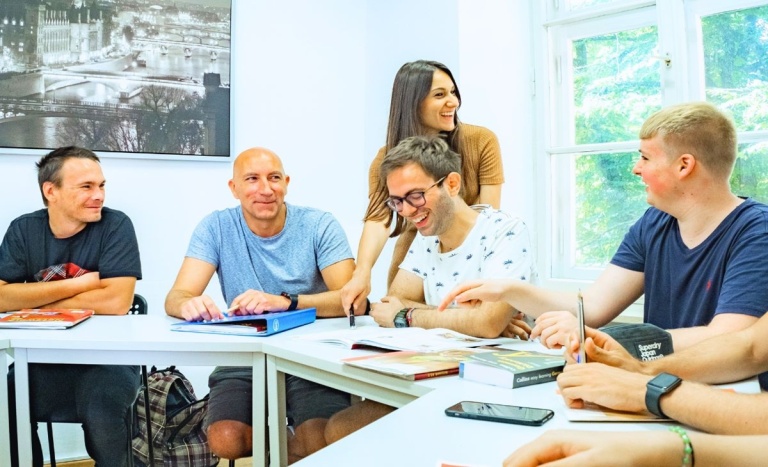
- Adults 16+/Max Class size 12
- Year-round
- German

To study German in Germany is to build a language foundation that can support university entry, vocational training, professional mobility, and long-term relocation. Whether your goal is academic progression, career advancement, or deeper integration into German-speaking life, Germany offers an environment where language learning is directly connected to real-world outcomes.
German is the most widely spoken native language in Europe and plays a central role in industries such as engineering, business, healthcare, and research. Learning it in Germany places you within the systems where it is used daily, across workplaces, academic institutions, and public life.
IALC-accredited schools in Germany are designed to support this level of engagement. As independent, quality-assured institutions, they combine academic rigour, structured progression, small classes, and personalised student care. The result is a learning experience that is focused, goal-oriented, and trusted by both students and education agents.
Germany offers one of the most goal-oriented language learning environments in the world. It is particularly suited to learners who value structure, consistency, clear outcomes, and a direct link between language study and future academic or professional opportunities.
Courses follow structured levels, progress is carefully monitored, and expectations are transparent from the beginning.
Studying German in Germany allows you to:
Germany is one of Europe’s most stable and safe destinations, offering a high quality of life alongside academic excellence.
IALC-accredited schools channel this environment through well-structured curricula and experienced teaching, ensuring that students develop not only fluency but also the confidence to use German in formal and professional contexts.
Germany is one of the most attractive destinations for students planning further education or professional development in Europe.
IALC-accredited schools offer:
For students and professionals, Germany offers a clear advantage: language learning is directly connected to opportunity. Students may progress towards university study, prepare for recognised language exams, enter vocational training pathways such as Ausbildung, or combine language learning with internships and work experience where permitted.
Choosing where to study German in Germany depends on the type of environment you prefer.
A global capital known for its creative industries, start-ups, and diverse population. Ideal for learners seeking a dynamic and internationally connected environment.
One of Germany’s leading economic centres, offering strong links to industry and business. Well-suited to career-focused learners.
Known for its clear, neutral German and strong maritime identity, it is a practical choice for learners focused on linguistic precision.
These locations offer a more focused and immersive experience:
University towns such as Bamberg and Münster combine academic tradition with a supportive learning environment.
A welcoming city known for its relaxed atmosphere, strong student culture, and open-minded spirit. Ideal for learners looking for a social environment with plenty of opportunities to practice German naturally in everyday life.
A modern and highly international city with strong connections to business, fashion, and industry. Particularly attractive for students interested in professional pathways, vocational opportunities, and long-term study plans in Germany.
IALC accredits a network of independent language schools across Germany, each selected for its academic quality, professionalism, and commitment to student care.
For both students and education agents, IALC accreditation ensures that every school meets the same high standards of quality, care, and professionalism, while offering diverse environments across Germany.
Below are the trusted IALC-accredited schools available in Germany:
For over 50 years, the Anglo-German Institute (AGI) has welcomed language students from around the world to its central Stuttgart location.
GLS organises immersive summer camps designed especially for younger learners.
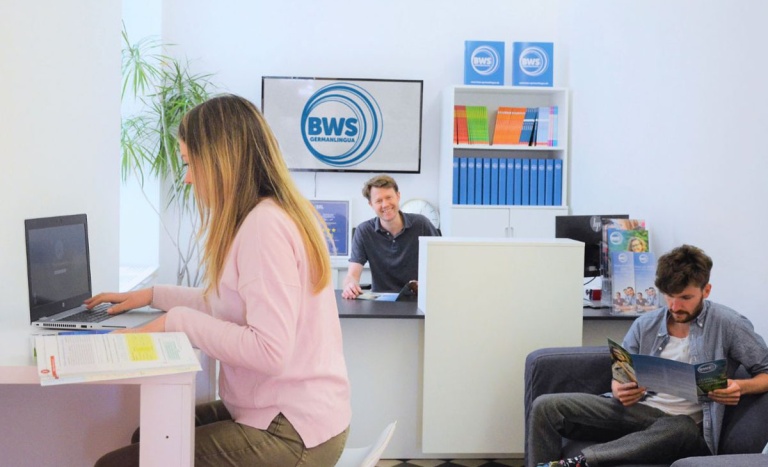
BWS Germanlingua Cologne is located in a vibrant area in the city centre surrounded by bars, restaurants, and theatres.
Since 1984, BWS Germanlingua has been offering high-quality German courses to international students from around the world.
BWS Germanlingua Munich offers high-quality German language courses right in the center of the city, just minutes from Marienplatz.
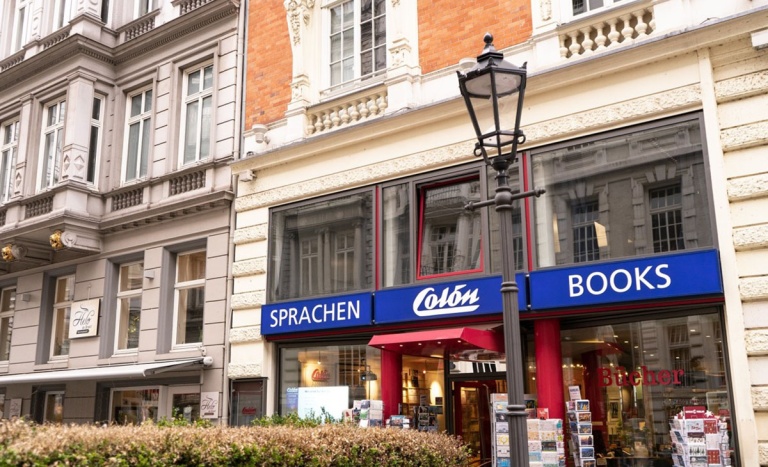
Colón Language Center was founded in 1952 and is the largest language school in Hamburg.
GLS is an internationally renowned language school in Berlin that has received several awards as one of the best language schools worldwide.
Munich Adventure is a summer camp with German language courses for juniors aged 12 to 17 years.
Munich Castle is a summer camp for ages 14-17 with a truly spectacular location: a medieval castle in the southern city center of Munich.
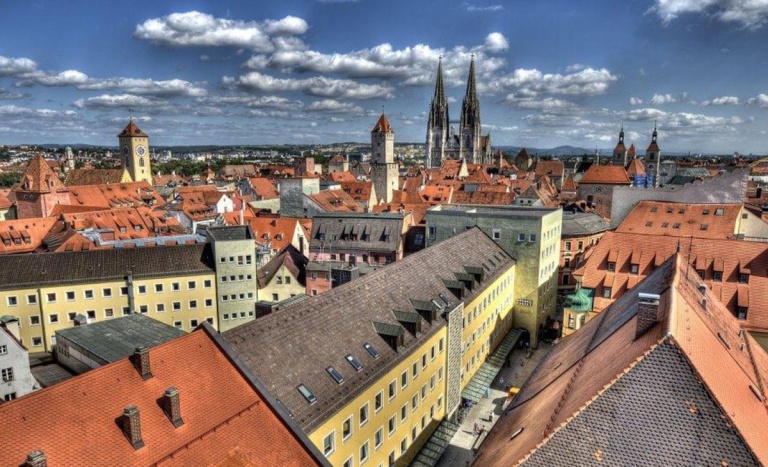
Since 1986, Horizonte has been offering high-quality German courses for students and professionals aged 17+ in Regensburg, one of Germany’s most beautiful cities and a UNESCO World Heritage Site.
KAPITO is located in Münster where German is spoken without an accent.
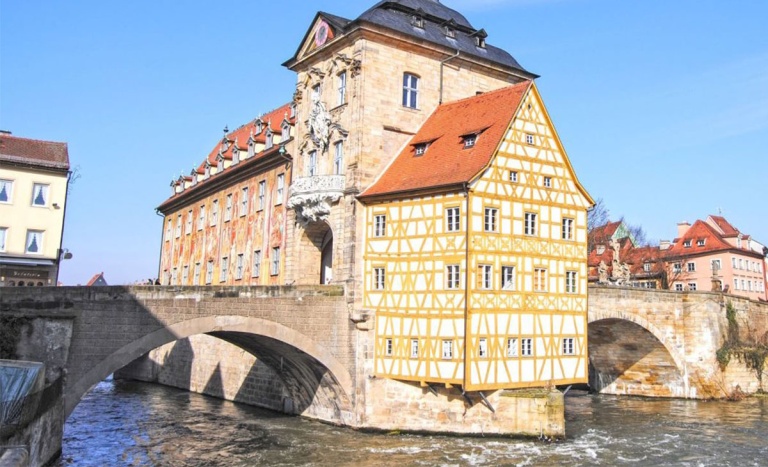
Treffpunkt is a well-established language institute in the heart of Bamberg, a picturesque university town and UNESCO World Heritage Site in southern Germany.
Can you study German in Germany without knowing any German?
Yes. While many students begin with clear academic or professional goals, it is also possible to start learning German at a beginner level.
IALC-accredited schools offer structured beginner programmes that build strong foundations while aligning with long-term progression pathways, including exams, university entry, and career development.
Germany offers a unique combination of language learning, academic progression, and career opportunities.
Studying German in Germany provides full immersion, allowing you to practise the language daily in real-life situations. Beyond the classroom, you benefit from authentic communication, cultural exposure, and international networks.
Germany is also known for strong education and employment pathways. Students can progress to university, often with low or no tuition fees, or enter the dual vocational training system (Ausbildung), which combines study with paid work experience.
The best city depends on your goals and lifestyle.
Berlin & Hamburg: large, international cities with vibrant cultural scenes
Munich & Stuttgart: strong economies and excellent career prospects
Cologne & Düsseldorf: lively, social, and well-connected to major business hubs
Bamberg, Münster & Regensburg: smaller, student-friendly cities with a strong sense of community
All offer high-quality language schools and distinct cultural experiences. Your choice should reflect whether you prefer a dynamic metropolis or a more immersive, community-focused environment.
Standard German (Hochdeutsch) is taught in all IALC-accredited schools across Germany.
Some cities, such as Hamburg, are known for having minimal regional dialect, making them ideal for learners seeking very clear, neutral German. In other regions, local accents are part of everyday life, enriching your cultural experience while maintaining standard German in the classroom.
Students typically spend around €900-€1,000 per month, including accommodation, food, transport, and leisure.
Costs vary depending on the city, with larger cities generally being more expensive than smaller towns.
Yes. Germany is considered one of the safest countries in the world, with low crime rates, strong infrastructure, and a welcoming environment for international students.
Visa requirements vary by nationality, so it is important to check the specific regulations that apply to you.
Up to 90 days: you may need a Schengen visa, depending on your nationality.
Over 90 days: you will usually need a national (D) student visa.
In some cases, students may also explore job-seeker visa options for up to six months, depending on their profession, nationality, and eligibility.
To obtain a student visa, you typically need:
Yes. International students can work up to 140 full days or 280 half-days per year without an additional permit.
This allows students to gain work experience and support their living costs while studying.
Many IALC schools offer specialised university pathway programmes, including exam preparation (TestDaF, telc, Goethe) and personalised academic guidance.
Programmes typically include:
For example, Treffpunkt Bamberg supports students throughout their academic journey, from beginner level to C1, while assisting with administrative and university application processes.
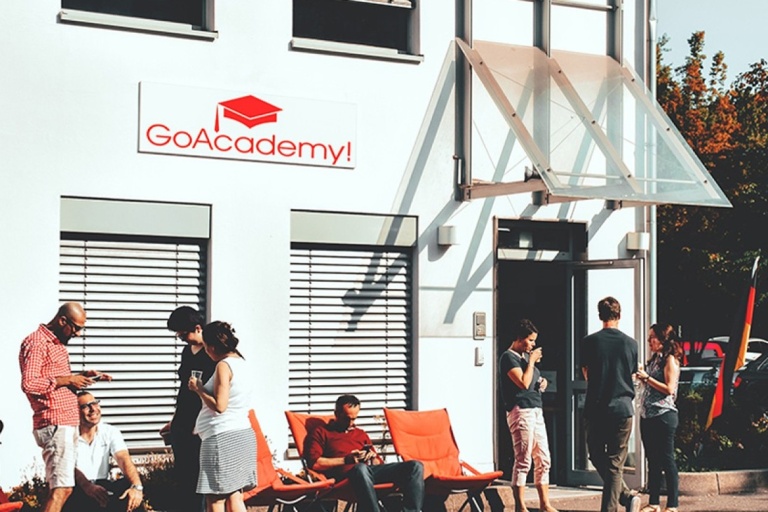
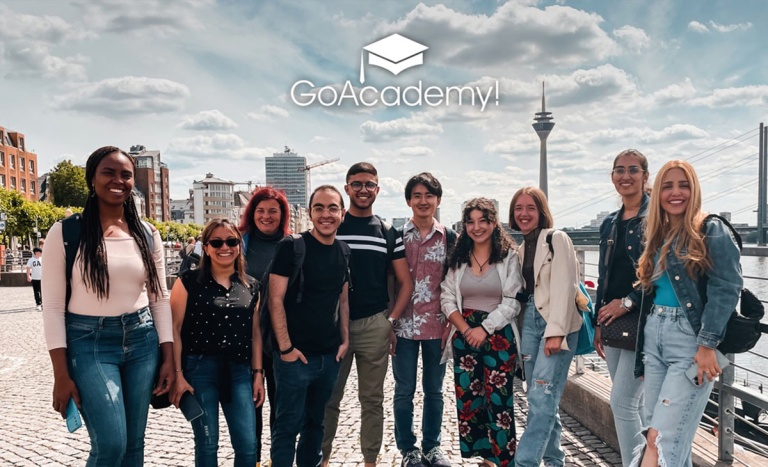
GoAcademy! – IH Düsseldorf offers structured university pathway programmes combining language training with ongoing counselling and guidance on choosing and applying to universities.
IALC schools provide a wide range of accommodation options, including host families, residences, and apartments, alongside personalised support and increasingly career-oriented programmes.
These may include:
For example, GoAcademy! – IH Düsseldorf has developed strong pathways into employment, supporting students entering the German healthcare sector or vocational training programmes across industries such as IT, automotive, and business.
At the same time, schools such as Treffpunkt Bamberg focus strongly on integration, helping students build social networks and connect with local communities from the start.
Students seeking a highly personalised and intensive experience can choose one-to-one immersion programmes.
These combine private lessons with full cultural immersion, often living and studying in the teacher’s home. This allows continuous language practice throughout the day and supports rapid progress.
Some IALC-accredited providers, such as InTuition Languages, specialise in fully tailored one-to-one immersion programmes based on individual goals and learning pace.
Yes. Many IALC schools offer specialised programmes aligned with academic and career objectives.
Options may include:
In cities with strong international industries, programmes may also reflect local economic strengths. For example, in Düsseldorf, schools such as GoAcademy! – IH Düsseldorf offer targeted support for international communities and industry-linked training connected to local employers to enhance employability and faster success for job seekers and student work programmes.
Many students choose programmes focused on practical, real-life communication.
Through immersive learning, in both group and one-to-one settings, students use German continuously in everyday situations. This builds fluency, confidence, and natural communication skills in a short period of time.
Yes. While beginners may benefit from a short introduction before arrival, full immersion is highly effective.
The combination of structured teaching and constant exposure creates an intensive environment where beginners can progress quickly and gain confidence from day one.
Yes. Germany is particularly strong in connecting language learning with academic and professional pathways.
Students may:
Progress to university studies
Enter vocational training programmes (Ausbildung)
Combine language learning with internships or work experience
In some cases, students may also explore options such as a job-seeker visa after their studies.
This makes Germany an attractive destination for students looking for long-term academic or career development opportunities.
Yes. Some IALC member schools in Germany offer language programmes that can be recognised for university credit, particularly by institutions in the United States.
These options may be available at both Bachelor’s and Master’s level, depending on your home university’s requirements. In some cases, courses can also be combined with internships or volunteer placements, allowing you to gain practical experience alongside your language studies.
Yes. A number of IALC-accredited schools in Germany are approved for Sweden’s CSN funding scheme, meaning eligible students can apply for financial support while studying abroad.
Many IALC schools regularly welcome CSN-funded students as part of their international student mix.
Yes. Many IALC member schools in Germany participate in Erasmus+ mobility programmes.
Students, teachers, and groups can often join German language courses through Erasmus+ funding. Some schools also offer dedicated programmes tailored to Erasmus+ participants, including:
Group language courses
Teacher training seminars
Customised academic or professional development programmes
For details on available options, we recommend contacting individual IALC schools directly to find the best fit for your goals.
For learners who value clarity, structure, and long-term opportunity, Germany offers one of the most reliable and outcome-driven environments for language learning.
With IALC-accredited schools across the country, students and agents can trust that every programme reflects consistent standards of academic quality, personalised care, and professional support, while offering pathways that may extend into university study, vocational training, internships, or career development.
Explore accredited German language schools in Germany and take the next step toward your future.